The Subject of Home / Conversations / Episode 001
A conversation with Harry Prinsep
Harry, 19, talks to us about what he’s learnt growing up with three parents, two of whom are designers. What he’s learnt about personal style. How the layout of his family home dictated the order of his morning routines. And home living versus university accommodation and how what he’s learnt about his own space needs dictated his choices for his upcoming first year of flatting.
Listen to the conversation
In this conversation:
At 19, Harry Prinsep has already called several places home. Growing up between two households, spending his first year away at university and preparing to move into a flat with five friends, he’s beginning to recognise how the spaces around him influence the way he lives.
Raised in a family of designers and collectors, Harry reflects on the objects, people and places that have shaped his developing sense of style — from an outdoor shower in Devonport to his grandfather’s creative workshop.
A few things we explore:
Two homes, two routines. How the layout of each house subtly influenced Harry’s morning routine, including whether he showered or ate breakfast first.
Objects as connections. When Harry moved into university accommodation, he took a small object representing each member of his family.
Finding room for yourself. Why he’s chosen a separate sleep out in his first flat, giving him a space he can make entirely his own.
The influence of a creative upbringing. Growing up surrounded by designers, collections, workshops and unusual objects — and discovering what he wants to carry forward.
What makes a good space? Natural light, a view, warm lamps, room for his Lego and surfboard, and perhaps most importantly, somewhere to make things.
Throughout the conversation, an interesting idea emerges: our understanding of home develops not just through the places we’ve lived, but through the people we’ve lived with.
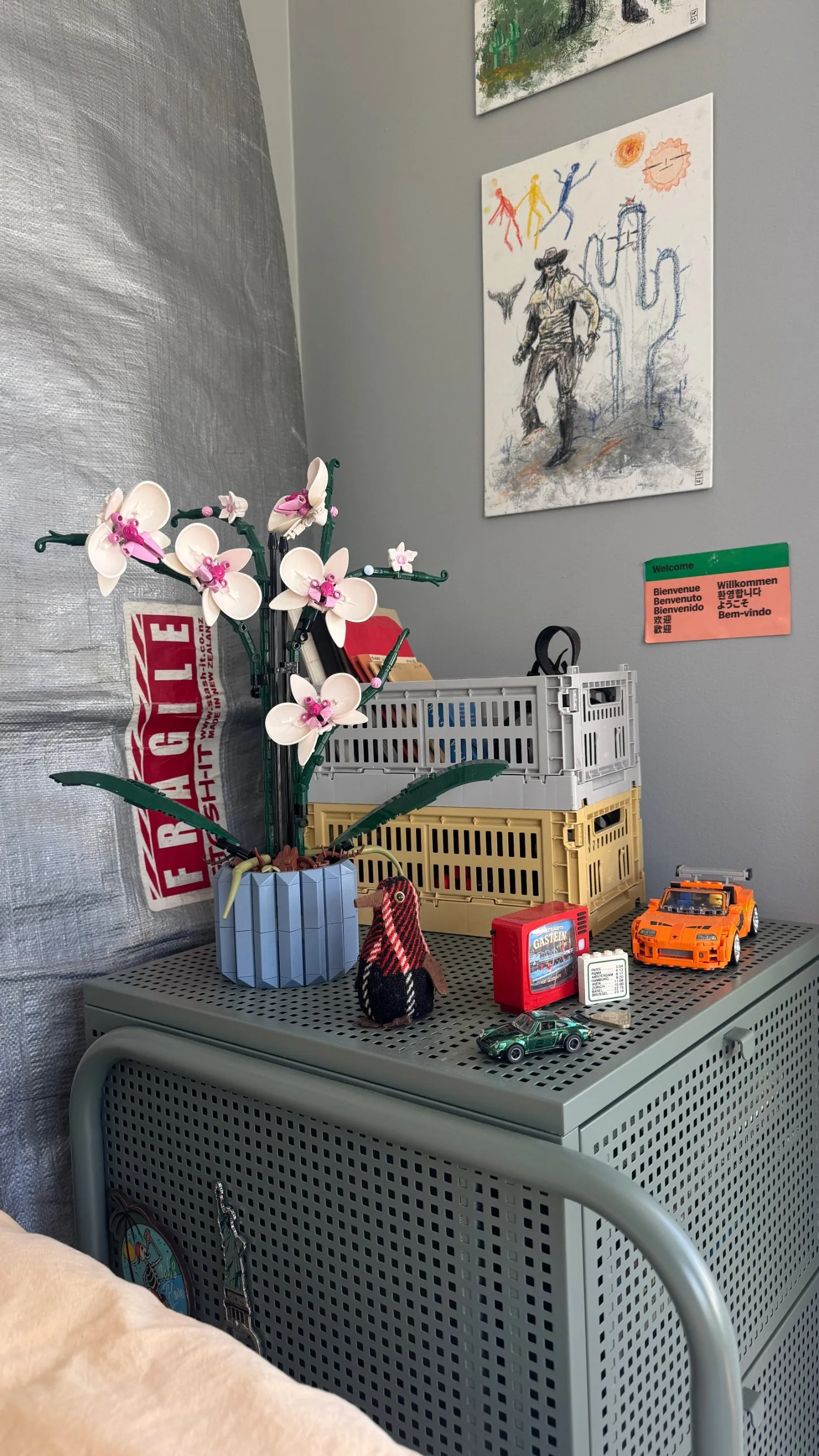
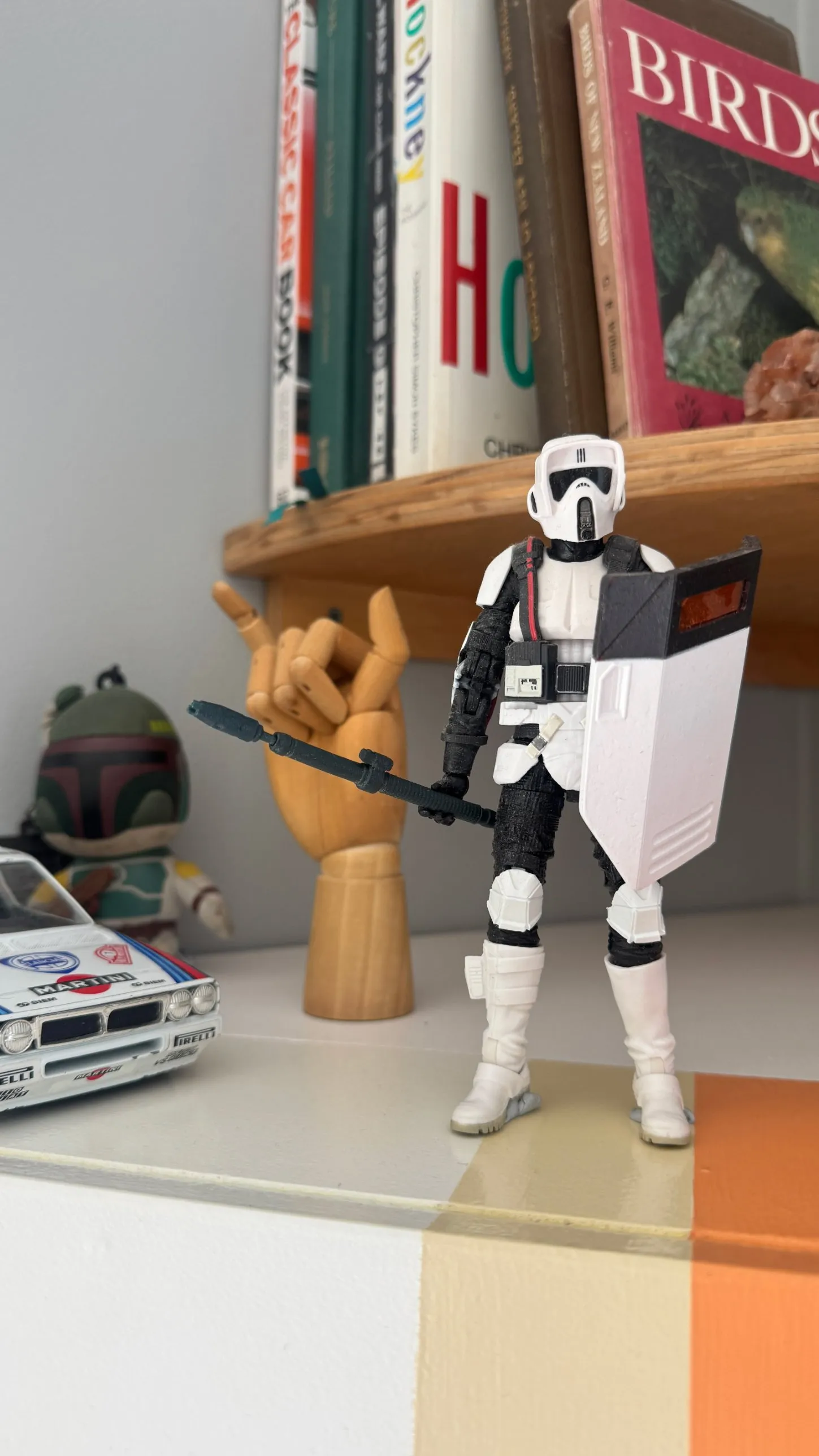
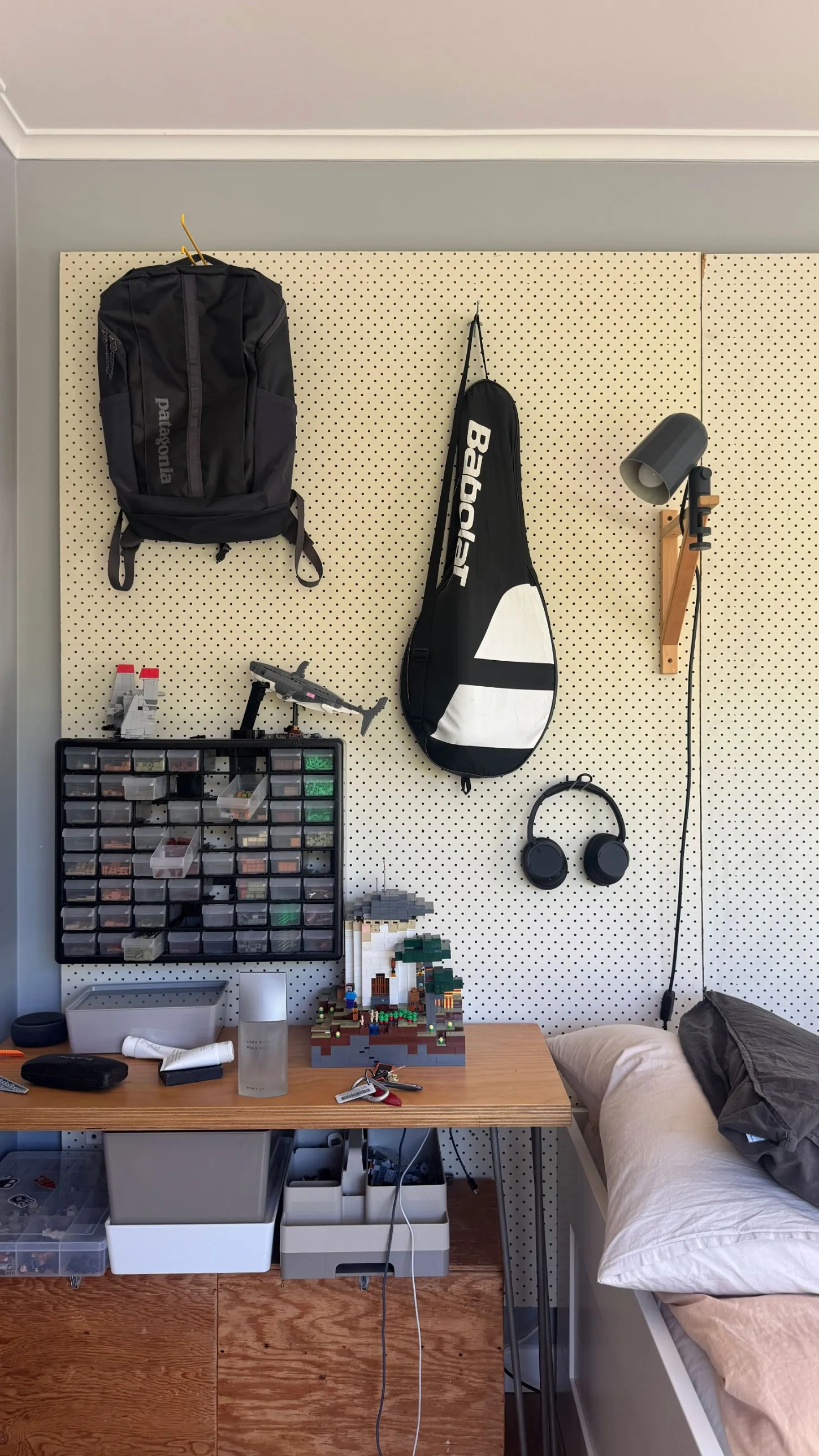
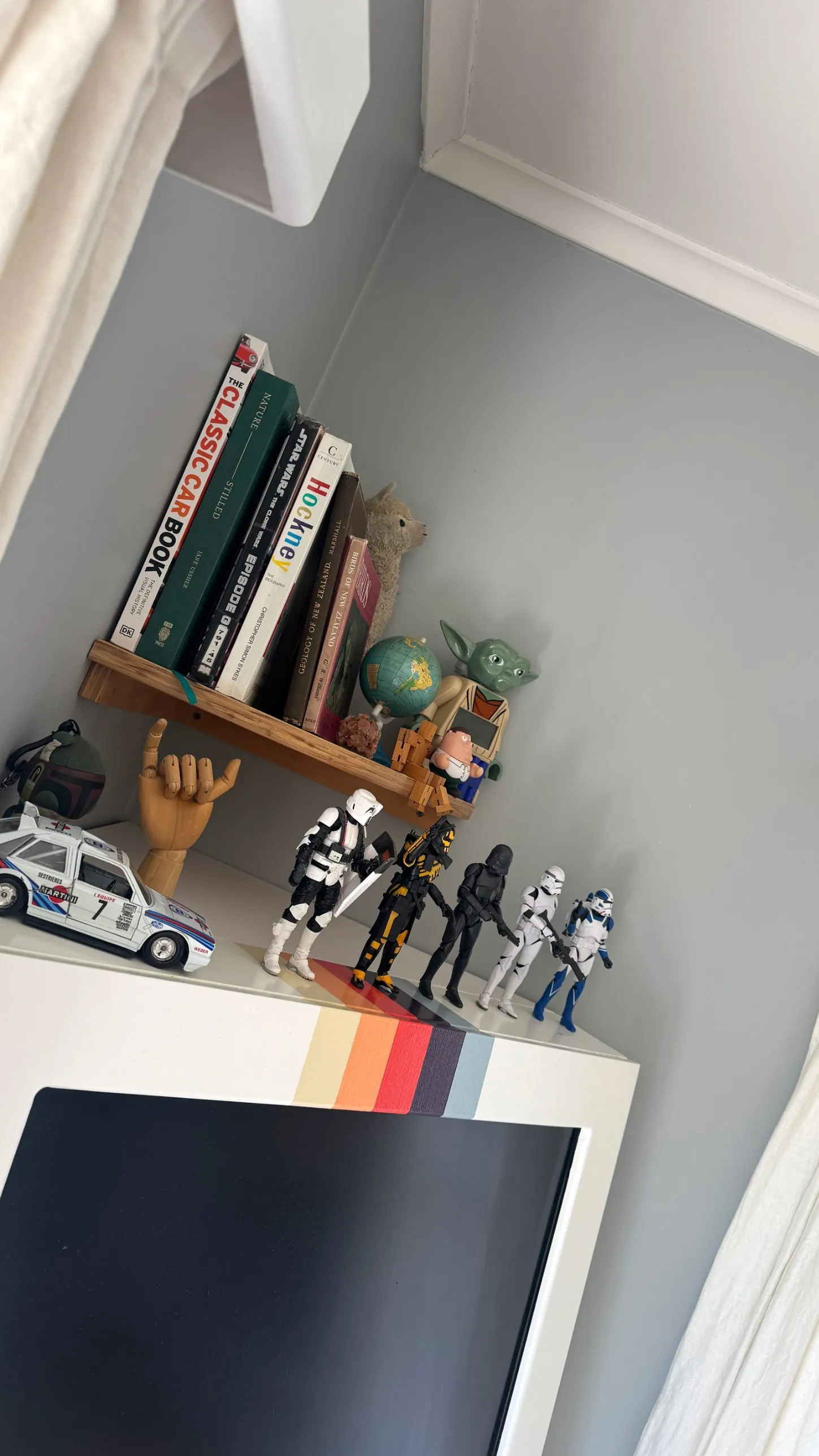
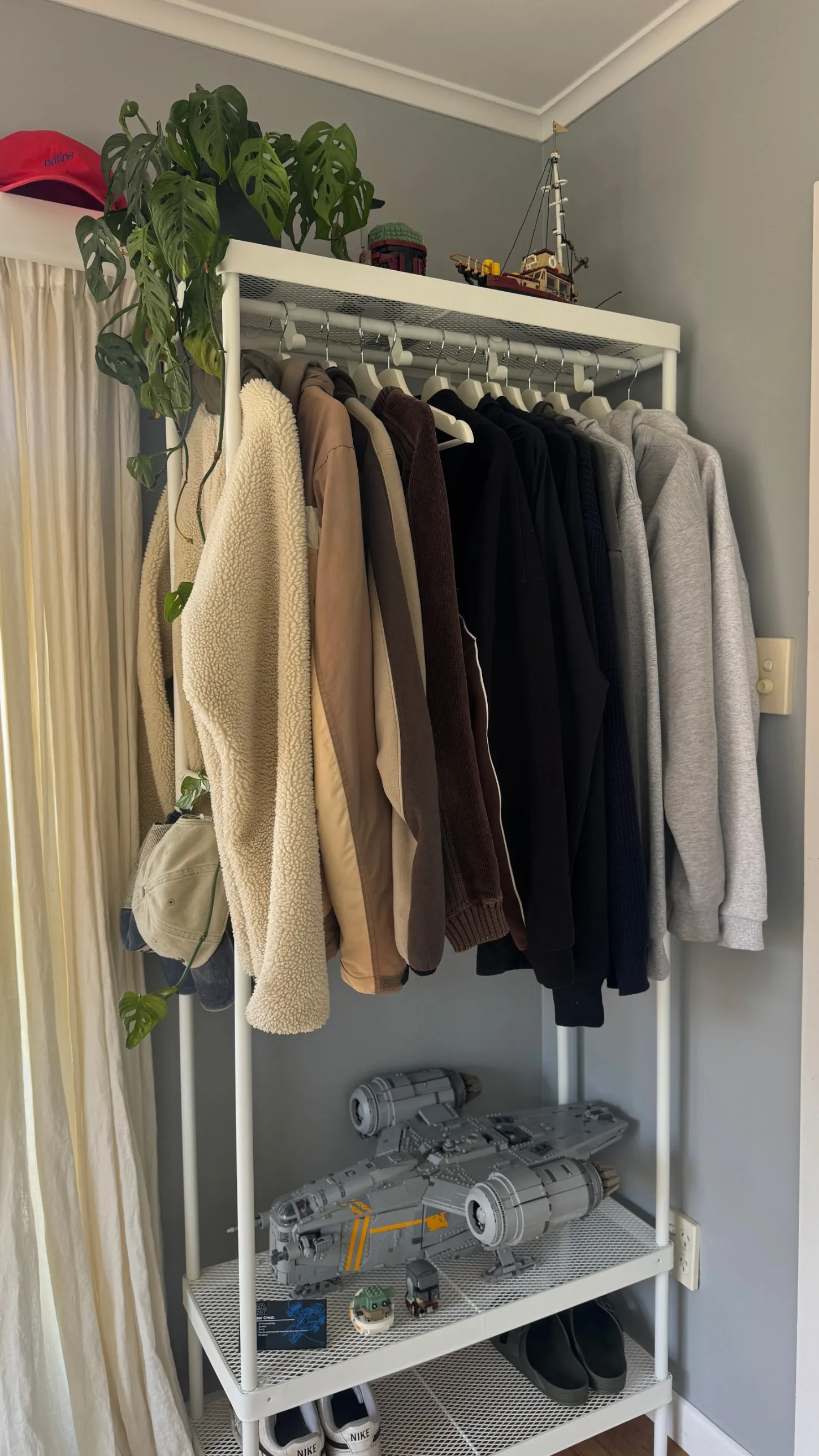
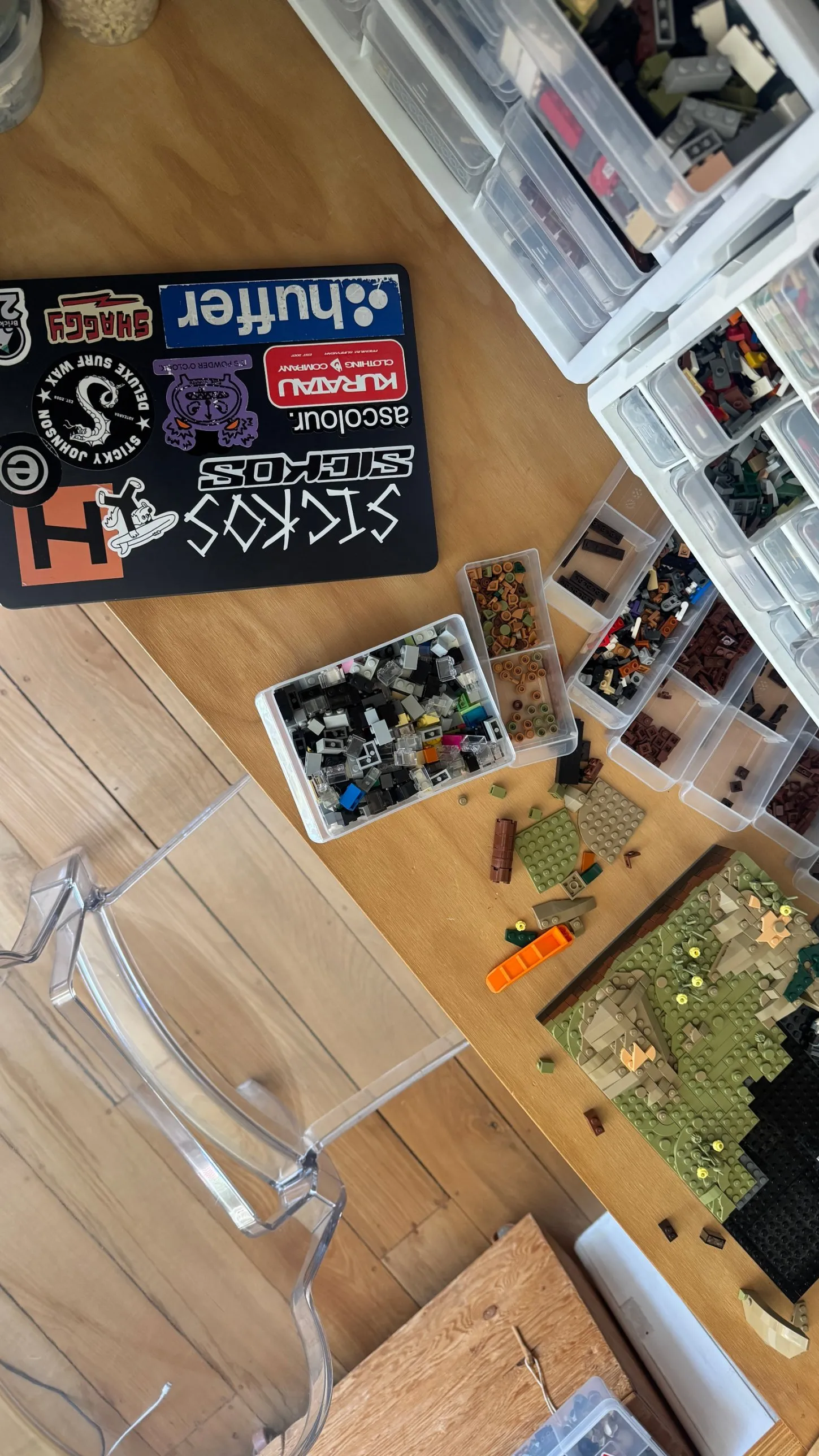
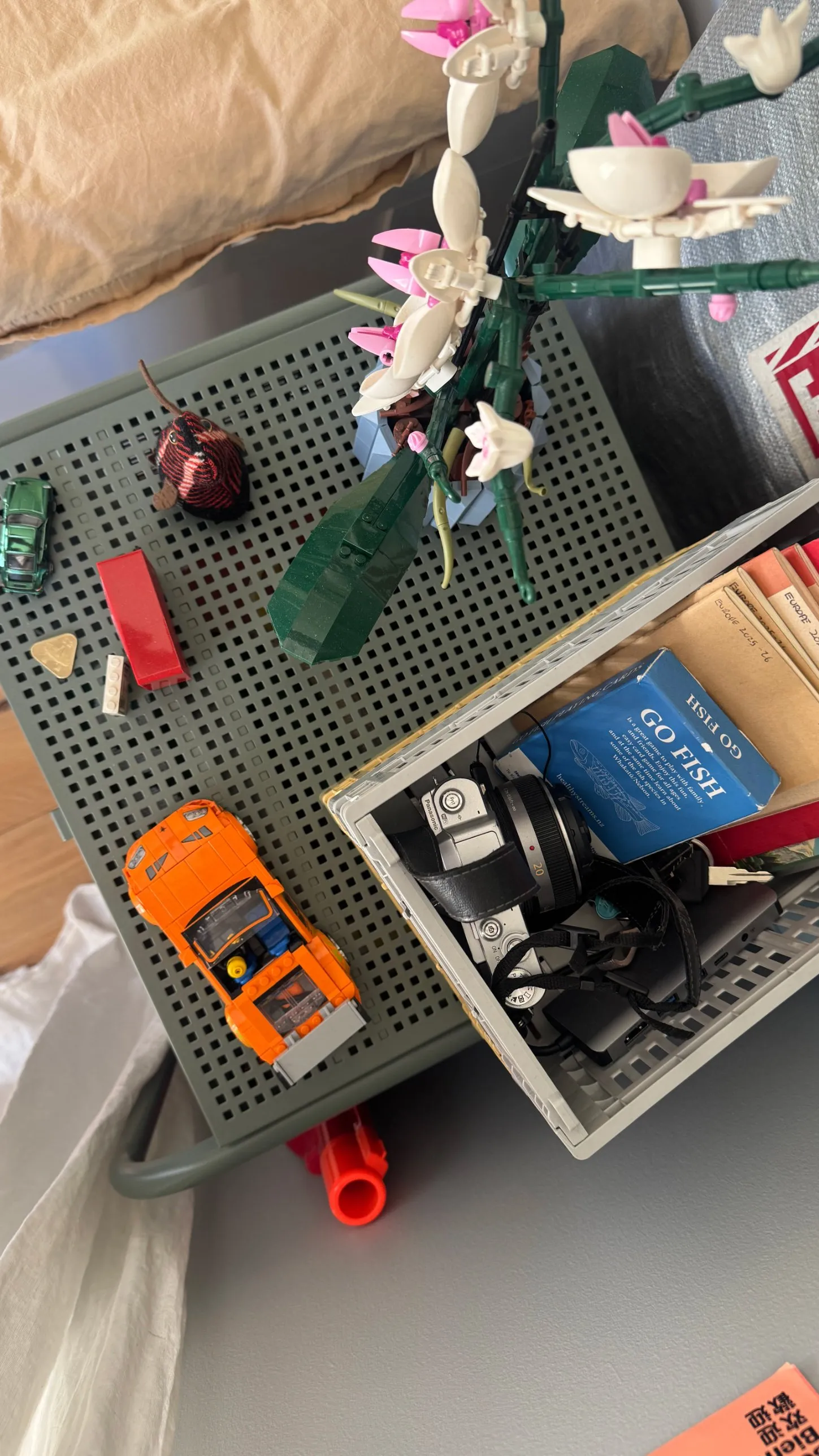
“There’s some things that I want to see every day in my room that I make room for.”
Back home for the summer break, Harry spent the first week editing and rearranging his room. He enjoys being surrounded by objects of meaning but also prefers his room to be ordered and not too cluttered. Despite hating what he calls his mum’s ‘compartmentalising’, he’s found that regular edits and rearranging of his favourite things can help.
Episode transcript >
Kate: Hello and welcome to The Subject of Home. I'm your host, Kate Alexander, an interior designer and spatial strategist. The Subject of Home is a deep dive into the spaces we inhabit, how they influence us and how we then inform them. It's an investigation into the home in all its forms. My guest today is Harry Prinsep, a first-year design student with multidisciplinary talents and a pretty good handle on what he likes for someone so young. We talk about what it's like growing up with three parents, two of them being designers, and what he's learned about his own personal style and space needs in his short 19 years of life.
Harry: …breakfast, but at Mum's house I'd do it the opposite way. I'd get up, have breakfast, have a shower.
Kate: Right, so at Dad's house you'd get up and the first thing you'd come to was the shower, so it kind of made sense to have a shower. I like that.
Kate: So Harry, let's just start with who you are, where you live, how old you are, what you're up to. Give us the lay of the land.
Harry: Student at Victoria University. Just finished first year studying industrial design. 19 years old.
Kate: Where do you live?
Harry: Devonport.
Kate: What kind of place is that? Where do you live? With your parents at home?
Harry: Yeah, with parents. It's a small town opposite Auckland City. Lots of good beaches.
Kate: Yeah, it's a cool place. And who do you live with?
Harry: My parents.
Kate: Just your parents?
Harry: And my sister.
Kate: Right.
Harry: And my dog.
Kate: Right. And have you always lived there?
Harry: Yep.
Kate: Always?
Harry: I've always lived in Devonport.
Kate: Have you always lived in that house?
Harry: I've lived in lots of different houses.
Kate: So tell me about some of the houses that you've lived in as a kid. Describe them to me, maybe starting with the one that you love the most, or the one that you remember first.
Harry: Well, the one I remember first was Patchyone, but I've only got one memory from that.
Kate: Tell us that memory.
Harry: I was just sitting on a couch.
Kate: What kind of couch?
Harry: I don't know, just sitting on a couch.
Kate: I wonder why that memory comes to…
Harry: I don't know.
Kate: That's just the one memory you have.
Harry: And what I remember of the house, I don't even know if it's real. I remember looking, and there's a kitchen and then a window, and then to the right there's a staircase that goes up. But I don't even know if that's the actual layout of the house. It's just what I remember.
Kate: Right. And then where came next after that?
Harry: There's quite a few. But the one we're in now is probably the one I remember the most, because I've been in it for like 10 years.
Kate: Right.
Harry: More than that. Dad's house was cool, the resort.
Kate: Tell us a bit about that one. What made it cool?
Harry: It had really good indoor–outdoor flow. During summer you could open all the doors and go outside. But in winter it was really cold.
Kate: What did you do when it was cold? Did you have a fireplace, or curtains you could pull?
Harry: Heat pumps, but they never really worked. So it just got cold.
Kate: So the house that you live in now, you live with your parents, but you talk about your dad's house. So tell me a bit more about that.
Harry: Parents are divorced.
Kate: Right. So you've grown up living in two different houses.
Harry: Yeah.
Kate: So can you tell me a bit about what that was like when that started?
Harry: Well, it started ages ago. We used to do five days, two days, which was really annoying. And then we eventually did week about, which was better. But my parents are really good friends, so it's not bad. Because some people, when their parents are divorced, they don't talk to each other, don't want to see each other at all. So basically we're all together anyway.
Kate: And what was that like, though, living in two different houses each week?
Harry: Well, basically I didn't have everything with me at one time, because I'd have to move my stuff between houses. So I didn't have one room or one anything, I had two. I had to move stuff. But I mean, it was two different experiences with the houses, because they're pretty different.
Kate: How were they different?
Harry: Well, one was bigger. Mum's house has been the same forever, but Dad's house was always changing. Dad's house was smaller, because there's only three of us, and here there's four of us. Five with Mindy.
Kate: But the houses themselves, I guess — the size, and how the day-to-day kind of living went. Was that different between the two houses? Were there different experiences in terms of when you sat down for dinner?
Harry: At Dad's house, I'd usually get up, have a shower, have breakfast. But at Mum's house, I'd do it the opposite way. I'd get up, have breakfast, have a shower.
Kate: Right. And why do you think that's different?
Harry: I don't know.
Kate: Can you think maybe why that might have…
Harry: Maybe the layout. Because at Dad's house the shower was closer, and here, the kitchen.
Kate: Right. So at Dad's house, you'd get up and the first thing you'd come to was the shower, so it kind of made sense to have a shower. I like that. Whereas at Mum's house, why do you think maybe the shower was second?
Harry: Because I like to eat breakfast first, I guess. And my room had a better view, so I'd go eat breakfast in my room and then have a shower. But nowadays I do shower, then breakfast.
Kate: Right. Why has that changed, do you think?
Harry: Because of the halls. Living in halls.
Kate: So you're still pretty young, but you've just had your first year away at university. How did you find that move overall, but also specifically moving into a hall as opposed to living at home? What was that experience like?
Harry: Hall — very different. The room was, I wouldn't say smaller, but it had less space to put things. But I managed to fill it up pretty good. The living was different. You'd have to go down to the kitchen to get food, and shared bathrooms, but there was always a bathroom free. It was different to living at home, for sure. But the move wasn't too bad. I managed to get everything down there and into my room pretty good, and then I eventually just found my groove.
Kate: And was there anything about being in the hall — the layout, the type of space, the view that you had, or the fact that your bedroom was separated from the living — that, when you look back on the year, you think, oh, that was really cool, I kind of enjoyed that? Like what you're saying about how at Dad's place you got up and the first thing you went to was the shower.
Harry: Yeah.
Kate: Was there anything about the hall that changed the way you live, compared to at home?
Harry: Yeah, because I was on the 12th floor, so I had a good view, but I was quite a way from the dining hall and the laundry. So I'd have to plan a lot when I wanted to go down, because it's a long elevator ride down and back up. But yeah, the shower always came first, because the shower was really close. And then I wouldn't actually go down for breakfast. I'd go down to get stuff for a smoothie and make a smoothie, and then just go down for lunch and dinner. But I think it was more social, because you had your own room you could go to, but there were also the common rooms where you saw everyone. So yeah, it was kind of like living at home. You go out of your room and you see everyone.
Kate: Right. It probably doesn't come up in conversation much — I imagine young people don't talk about it that much — but was there any chat about different people's rooms, or the houses that people came from? Do you think certain people found it a harder move than you? Any observations you might have?
Harry: Kind of, because my mates do architecture, so they were talking about houses. Some came from pretty good houses in Wānaka. Pretty massive, expensive houses. But we didn't really talk much about houses. Their rooms were very different sizes, I guess. Some had loft rooms, or…
Kate: At home?
Harry: Yeah.
Kate: So the rooms you'd come from at home came up in conversation.
Harry: But everyone liked moving to the halls. Probably not preferred it, but it was just as good.
Kate: Right. I wonder why that was. The social side of things, do you think? And what about specifically — was there anything you missed from home?
Harry: In the halls? The outdoor shower.
Kate: All right. You didn't mention that when you were talking about the shower coming second — the fact that it's outdoors. Do you think that had anything to do with it not being the first thing you do?
Harry: Yeah, because the first thing you do is not go outside.
Kate: But you enjoy the outdoor shower.
Harry: Yeah, yeah.
Kate: Tell us a bit more about that. How long have you had one? How often do you use it?
Harry: I've had it maybe 10 years, because it's at Mum's house. There's plants, a good view. When it's sunny it's nice. It's just better than being inside in a hot, stuffy room.
Kate: Even in winter? You shower outside in winter?
Harry: Yeah.
Kate: Right.
Harry: Because it's nice and warm.
Kate: The shower's warm?
Harry: The shower's warm.
Kate: But what about standing in the cold while you, you know?
Harry: You just put a towel around you while you're waiting.
Kate: So you've done a year in the halls. How did you find the different views that you had? You said your current room at home has a lovely view.
Harry: Yeah, it has a good view of the garden, and the other room had a good view of the city.
Kate: How did you find those differences? Did you have a preference?
Harry: The view of the city was pretty cool, especially when you wake up on a good day and you see the city. Some people had better views — corner rooms, they could see the whole harbour — but I could still see water. Some people only had a view of a concrete car park.
Kate: Right.
Harry: So I think I got pretty lucky. But my view back here is nice and green compared to the city.
Kate: Right. And was there anything you specifically took with you, that you wanted to make sure you had? What's your relationship to objects, and wanting to have special things around you?
Harry: I've got one thing that represents every person. I've got a little key that represents my grandparents, a magnet that represents Dad, something that represents Mum, one that represents Matt, one that represents Molly. So I've got one of everyone.
Kate: And you just chose to do that when you were leaving? You thought, I want to have something that represents each family member. Anything else special you took with you?
Harry: Just artworks, or things that I've made or been given, or things that I wanted to use, like my surfboard and bike, golf clubs, tennis racket.
Kate: Sporting things.
Harry: Yeah.
Kate: I'm imagining it was a smaller room. How did you find having all of those sports things and everything in the same room you were sleeping in, working in, getting dressed in?
Harry: It was kind of cool, because we all had it in one space. You had to fit it in one room. But one thing I do wish I'd done differently is bring less stuff, because I think my room had a bit too much. I looked in everyone else's rooms and they had free shelves and empty space, and they were just a little less cluttered. My room had good decoration, but at some points it was cluttered with too much stuff, which made it feel smaller.
Kate: Right. And was that right from when you first got there, or…
Harry: I kind of accumulated stuff as the year went on.
Kate: And so in general, what's your relationship to objects? Do you prefer to have a room that's got nothing in it, or do you see things and go, I really want to live with that, I want to keep that close by?
Harry: There's some things that I want to see every day in my room, that I make room for. But then I don't want it to be too busy. I just want to have a good balance of what I need, like clothes, and then other objects that, like I said, represent stuff.
Kate: So would you consider yourself to be tidy, or messy, or minimalist?
Harry: Pretty tidy. Tidy, and not quite minimalist, but minimalistic.
Kate: Right. And is that representative of the houses that you grew up in, or is that just you, do you think?
Harry: Well, I mean, my mum's got a bunch of shit in her house.
Kate: Really? Tell me a bit more about that. What do you mean, a bunch of shit?
Harry: Well, it's just random shit. We've got a big O light in our fucking house.
Kate: All right, okay.
Harry: But I mean, it kind of taught me to look at objects differently. To look at objects that people normally wouldn't see, and think that they're cool.
Kate: So is it a bit unexpected, a bit unusual compared to other houses?
Harry: It's unusual, but it's refined.
Kate: Right, so it all works. And so that's maybe taught you something about the way you look at objects.
Harry: And how I put them in my room.
Kate: Right. So, moving on. Next year — uni hall, or what's next year? I'm assuming you come home just for the summer.
Harry: Next year's flatting. Six-person flat.
Kate: Six people.
Harry: Yep. In Kelburn, 20 minutes from the Te Aro campus.
Kate: So how did you go about choosing that place?
Harry: Well, originally there was a group of five, and I wasn't part of that group. But then eventually they said, oh, we should get you in, because I didn't really have anyone else to flat with. But we called it the six-person curse, because every flat that held six people was basically unliveable. They were all pretty bad.
Kate: Gosh.
Harry: But we kept looking, and then they got shortlisted for a five-person flat, and they were going to sign it. And the day they were going to sign it, we got an email from the only good six-person flat we'd found, saying that we'd been chosen to be the tenants. So it was last minute. And then we went and had a second look at it, because the first time only half of us could go. So all of us went the second time, and everyone liked it, and then we signed the agreement.
Kate: So what did you all have to agree on? I imagine you all had pretty different views on what a good place is like. What did you align on?
Harry: Well, we all just knew it was good.
Kate: Can you describe that to me? I mean, good means different things.
Harry: Good-sized rooms. There was no one room that was really bad, where someone would be stuck with a shit room for a whole year or two. Good natural light, no mould, doesn't smell weird, pretty warm, good views, backyard, front deck. Good heating.
Kate: So it ticked all the boxes that you look for. Sounds pretty good for a first-year flat. So what are you excited about in terms of moving into your first flat?
Harry: Living with friends. Although I lived with friends this year in halls, now you're living in an actual house with them, so you'll be closer to them.
Kate: And that might be weird, because you haven't really lived with friends up until this point.
Harry: Yeah. And their views on what the house should look like might be different to mine, which is why I've got my own room.
Kate: Right.
Harry: Separate from the house, outside.
Kate: Right, so tell me a bit about that decision. Why did you choose to take that room?
Harry: Because I wanted my own space. I like to have my own space, one that isn't necessarily attached to the actual house. They've got their own rooms in the house, but they're still in the house. So this way I can literally control everything that's in there.
Kate: In your room, in your space.
Harry: A sleep-out room. And it's still close to the house.
Kate: So how do you think your room might differ from the rest of the house, in terms of how the spaces might come together?
Harry: Well, I've grown up with an interior design mum, so…
Kate: Right, okay.
Harry: It'll be different because of that.
Kate: So tell me what that's like, growing up with an interior design mum.
Harry: Well, I basically already covered it. There's just random stuff in the house.
Kate: Just random stuff, really? That's all it comes down to?
Harry: You look at things differently.
Kate: Is there anything that you've learned that you think you're going to take with you going forward in life? Or the opposite — you go, man, I'm definitely not going to do that?
Harry: Yeah, one thing I probably won't take with me is the phrase "compartmentalise", because that thing pisses me off.
Kate: What? Explain it to me. I don't understand.
Harry: It's when you have a bunch of stuff — although it is good, because when you have a bunch of stuff it teaches you to get rid of things, or break it up into small bits that are easier to look at. And it doesn't only come with objects, when you have a bunch of things and you want to put some in storage or keep some. It's also when you're thinking about stuff, like what degree you should do. You compartmentalise, so you can focus on one thing at a time.
Kate: Right, so breaking it down and focusing on one task at a time.
Harry: But it's annoying when you have a bunch of stuff that you don't want to move, and then you have to compartmentalise.
Kate: So she's quite strict on what you're allowed to have in your space and what you're not.
Harry: Yeah, but it's good, because I feel like otherwise my room would just be full of stuff…
Kate: Right.
Harry: …that doesn't need to be there.
Kate: So has she taught you the skill — well, maybe the benefits — of regularly going through the things that you have, and making sure they're still relevant?
Harry: Well, yeah, because I do like to keep only what I need. I don't want to keep anything else that I don't need.
Kate: Right. So do you throw the other stuff away, or what do you do?
Harry: Yeah, throw it away, or put it in storage.
Kate: Right. And in terms of the houses and spaces that you grew up in — what are your hobbies? What are some of the things you like your space to be able to support?
Harry: All my Lego stuff.
Kate: Lego stuff, tell me about that.
Harry: That consists of drawers and boxes and a desk, but also my collection, so a bunch of pieces that need to go on display. So I need shelving and all that, which takes up quite a bit of space. We managed to put it all into a little indented wardrobe in my room, which keeps it in its own area and stops it taking up too much space in my room, which is good.
Kate: Right, so you've got a place where you can do your Lego, where you can build and create, and some spaces where you can display stuff. But it's kind of in its own little area, so it doesn't take over the whole room. Was that Lego space always there, or was that…
Harry: Really early on it was a little book reading space or something, I don't know. But the desk has always kind of been there, I think.
Kate: Right.
Harry: The Lego used to be out in the studio, but I moved it inside a couple of years ago.
Kate: And do you prefer having it right in your room?
Harry: Yeah.
Kate: Does it mean that you work on it more often, you think?
Harry: Yeah.
Kate: Right. It's right there. And so, you know, you're at that life stage where you've got all the choices ahead of you — where you're going to live, what you're going to do for a job, all those kinds of things. Have you got any dream or vision of what your future home, or homes, might be?
Harry: I haven't really thought about homes, because I just feel like if I'm travelling, there'll be different places, so there won't be one set place. But I don't know. When we visited a family friend in London, their home in London was pretty cool. Three storeys. And then the place we've got in Kuratau, the Lockwood bach, is pretty cool. Ending up in one of those places wouldn't be too bad.
Kate: So tell me about that place in Kuratau. That's a holiday house you've had, yeah?
Harry: Yeah.
Kate: And how often would you go there?
Harry: Two to three times a year, probably. Maybe sometimes more. Usually over Christmas or New Year's.
Kate: So summer or winter?
Harry: Summer, yeah. Sometimes we also go in winter, but it's not as nice in winter.
Kate: And are there things that you love about it? Is it different or similar to the houses that you spend your day-to-day time in?
Harry: It's pretty different. It's a lot more minimalist, but it's still got good interiors. It's Lockwood, it's old, but it's been developed a bit. It's got a new shower, a new bathroom. Good kinds of modern additions that work pretty well with the old stuff that's in there. It's basically been modified to be the best holiday home for four families that it can be.
Kate: Right, four families. That sounds like it's pretty big.
Harry: It's got everything you need. Well, it sleeps maybe two of those families, and the other two families can go into the neighbouring bach that we know.
Kate: Right.
Harry: Which probably isn't as refined as our bach. It hasn't got everything you need, because we've got a couple of showers, a big outdoor seating area with a pergola over the top, a boat, a pool table, an outside garage, a darts board, a foosball table.
Kate: So it sounds like there's lots of things you can do, lots of activities.
Harry: Yeah.
Kate: So you're studying product design at university. How did that come about, in terms of choosing what you're doing?
Harry: Well, I did product design in Year 13 and I enjoyed it. Architecture was a choice, but you have to really love architecture to study architecture, because it's about seven years. So I didn't do architecture, because I don't love it enough to do it as a job. And I thought industrial design could lead me in a lot of different directions, and I don't know exactly what I want to do. A lot of people I talked to said you start off with one design discipline and you can work your way into whatever you want, whether that's graphic design or textile design or anything else. They all cross over.
Kate: What do you like about design? I mean, you've grown up with an interior design mum who you kind of sound like you talk fondly about, but it also sounds like you think she's a bit cray-cray. But you're thinking about maybe becoming a designer yourself. What draws you to design? What do you like about it? What is design to you?
Harry: Making things that make everyday life better. Like what Dieter Rams said. It's basically just what you need, stuff that you need. I designed and 3D-printed a little thing that held my phone and keys and AirPods and glasses, which, now that I look at it, could be so much better. And that's what I like — you refine it, you make it the best that it can be. And then I also like doing graphics, like drawings and logos, or vintage surfwear kind of stuff. But yeah, I just like making things.
Kate: So where do you get your inspiration from? Do you get your inspiration from what surrounds you, or do you go looking for it?
Harry: What surrounds me. Also my Poppa. A lot of inspiration from Poppa.
Kate: Who's Poppa?
Harry: My Poppa.
Kate: Your granddad?
Harry: Yeah.
Kate: Tell me a bit about him.
Harry: Well, he still designs, does a bit of design work now. Brand strategist. He lived in Wellington for quite a while, and did Design Speaks Louder and Design Works, I think — those are two companies that he either helped start or worked for. He's basically my mentor in terms of that stuff, as well as my mum, and Dad actually. I'm growing up in a very design-focused family. Dad's a designer as well. So that's probably where I get the creative side from.
Kate: And so when you say your Poppa, do you visit him? Is that someone you spend time with?
Harry: Yeah, every Wednesday I go to a studio that he's got, maybe 10 minutes from Mum's house. And what we do there, we just do art and designing, and he likes to talk about politics. I like to pretend I'm listening.
Kate: What's the space like?
Harry: It's pretty cool. It's kind of like the bach in Kuratau. It's old, wooden, full of stuff that he's collected over the years. Books, old magazines we can cut up, all his art supplies, a wall of things that he finds interesting — just cutouts and things like that. Usually politically focused. A lot of things on Donald Trump and what he doesn't like about him, and Christopher Luxon.
Kate: It sounds like you've had quite a — it may or may not be unique — but when you talk to friends, whether it's at university or high school, do you think art and design is something that many others are exposed to?
Harry: Not really, unless you have people that you know that do it, I don't think. A lot of the people I met this year who are doing architecture or design, they only do it because someone in their family has done it before them. Or they like being creative, but they don't quite have that creative eye.
Kate: Right.
Harry: Because maybe they haven't grown up with it, or they just don't have it yet. But a few people — you see what they do and they just don't quite have the mindset of a designer.
Kate: Right. And what is that mindset? What do you think a designer needs?
Harry: You need to just know things. I don't know. I feel like I have it — I don't want to toot my own horn, but I have that mindset. I don't know how to describe it. I just know I can look at things and know what looks good, and what people will see as looking good. I guess because I've grown up seeing it a lot. But you also have to be taught it, I guess, going through school. You do design classes. I did graphic design classes, product design classes, architecture classes.
Kate: Tell us about an architecture project. Did you do any architecture projects at school?
Harry: At school I did a few. I designed a bach in Kuratau, which probably shows how much I like the place. But looking back on it, I don't really like the house that I designed at all.
Kate: Really? How come?
Harry: Your view changes, I don't know. It just wasn't really… I thought at the time it'd be what I'd want to live in.
Kate: Yeah.
Harry: But it's changed.
Kate: Can you tell me a little bit about that?
Harry: It was a pretty modern house. The layout was good, but I'd definitely change a few things. But also the limitations of SketchUp and my ability definitely hindered how it came out.
Kate: Right, so the tools maybe got in the way of getting out the idea that you had.
Harry: Yeah.
Kate: So do you think you'd ever build a bach in Kuratau? Would that be the place you'd want to build one?
Harry: Yeah, definitely, in the later bit of my life.
Kate: And what would it — I mean, things change, it might be completely different in 10 years' time — but if you were to do it now, how do you think it would be?
Harry: It'd be similar to the bach that's there now, just maybe a little bit more modernised. But it'd have everything I need. An outdoor area, bike storage, maybe a screen-printing studio or Lego studio, or just a place like Poppa's studio where you can go in and just do stuff. A workshop, everything you need.
Kate: So it sounds like you've grown up surrounded by people who tend to have a creative space where they can go and be creative.
Harry: Yeah.
Kate: And you sort of talk about modern versus old sometimes. So to you, what are the modern things that you like to have around? What does modern mean to you?
Harry: Just the style of design or architecture. Like just plain black and white colours, or there's lots of people using concrete now, or that charred kind of timber. In design, it's a lot of people doing characterised, innocent logos nowadays, which is all right, but it becomes repetitive, and eventually it will change. So I like to go back to the old, like vintage surfwear, how they have all those old designs. I like that. And then the old sort of houses, where it's old wood, timber joints, maybe an older way of how they're laid out, what they have in them. The old kind of workshops that are just full of shit you've accumulated over the years.
Kate: Right, so they feel lived in and collected. And what about travel? Have you done much?
Harry: Nah.
Kate: No?
Harry: No.
Kate: Right, well, I guess that's something you've got ahead of you.
Harry: No, I've been to quite a few places.
Kate: Right, so tell me about some of those, and any that stuck in your mind or influenced you.
Harry: Probably the first big place I went to was New York, which was pretty cool. Looked at lots of art galleries, and it opened up my vision to the world, I guess, as they say. It's a fucking big city.
Kate: And what about the buildings there? Quite different to New Zealand.
Harry: Yeah, they were cool. The urban development, the planning of the city, was cool, which was one thing that I found interesting, but you have to do architecture to go into that, and I didn't really want to do that. But there was lots of different art, lots of different art styles that I saw. David Hockney was one of my favourite artists that I saw. But yeah, I saw lots of stuff.
Kate: Why is he a fave?
Harry: Probably the use of colours, and they're kind of simple paintings. My favourite one is A Bigger Splash. Those pinks and yellows and greens and blues — the colours work pretty good together.
Kate: Did you see that in real life?
Harry: Yeah, I saw that when I went to Europe. In London, it was in the Tate. I remember we walked into the Tate, asked the person where the painting was, saw the painting, then walked out, because that's the only thing I wanted to see there. We went to the wrong place first, and then the second place was the smaller Tate, I think. Went in there, went straight to it, and left.
Kate: And how did that feel, seeing something that you'd seen in books and admired, and then seeing it in real life?
Harry: It was pretty cool, yeah, because I'd also used it as an artist model for my artworks in Year 12.
Kate: Right. So it sounds like you've got lots of skills there. Painting, architecture, urban planning, product, graphic, Lego. Sounds like you perhaps like being multidisciplinary — not just one thing, but solving problems in lots of different mediums.
Harry: Yeah.
Kate: And so back to travel. You've been to New York and you've been to Europe. What else in Europe did you find interesting?
Harry: Well, again, the architecture in France and Italy was all pretty cool. The Italian countryside, Tuscany, is probably one of the coolest places. Those old villages…
Kate: San Gimignano.
Harry: Yep, that's the one. The one with the big tower. Those were all cool to see. And that it actually exists, like, actually exists…
Kate: After all these years.
Harry: Especially when you live in a country like New Zealand. It's very young.
Kate: Young in terms of its history.
Harry: Yeah. To see some of those old buildings and all the history with them. The churches, every single different church. Studying art history in Year 13 and going to Europe after that was pretty cool, because I recognised so much of what we'd studied. Especially in Rome. We were waiting in a huge line to get in, and I think there were four or five artworks in there that I wanted to see. One of them was the Duke and Duchess of Urbino, which is one of my favourites, and we got to see it, which was cool. And then it might have been in Florence, there was Brunelleschi's dome, which was architectural, and then also the statue of St Mark by Donatello.
Kate: So you're seeing all these things that were done by crazy artists or architects back in the day. It can feel a bit surreal. Was this actually done so many years ago? And what was their life like back then? Did they cook dinner and shoot the breeze like we do? It's very hard to imagine that they were humans like we are, isn't it?
Harry: It's quite hard to imagine, because it's just so old. And we put everything up on such a pedestal, because it's been so revered and studied.
Kate: Are there any buildings or paintings you're looking forward to still seeing?
Harry: Hmm. There definitely are. I can't think of them right now, on the spot.
Kate: No, not right now.
Harry: But there definitely are. I think it's probably just more Hockneys. I'd like to see more Hockneys.
Kate: More Hockneys.
Harry: Yeah, I think there were a few that I studied that I didn't get to see. There's definitely more.
Kate: So Harry, how well would you say you know your own style?
Harry: I know it pretty well.
Kate: Yeah?
Harry: Yeah.
Kate: And can you describe that to me?
Harry: Well, it is sort of more minimalistic. Is this my style of…
Kate: Yeah, it's a good question, I didn't clarify. There's your personal style, in terms of clothes and all that kind of stuff, and then your style from a space point of view, and the two may be the same. And what about your style from a design point of view? Talk about whichever style you want, and how they interact with each other, or don't.
Harry: Okay. Well, my room is influenced by my love for surfing — vintage surf, retro. All my clothes. I've got vintage Quiksilver and surfwear and Shaggy and Patagonia and Sickos and all those sorts of brands. So that's kind of my clothes style and my room style in one. But my room style is also just essentially what I need. It's simple, while also keeping stuff in there that I want. A few shelves, a few cabinets, a few hats. That's about it.
Kate: So your personal fashion style and your environment both showcase what you like and what you're into. But they're also similar, so they feed off each other.
Harry: Yeah.
Kate: Do you think they've always been that way, or is that something you're developing?
Harry: Definitely something I'm developing as I get older.
Kate: Yeah, and become more aware of…
Harry: Looking back at what I used to do, I'd just copy people.
Kate: Right. So now you're developing your own thing.
Harry: Yeah.
Kate: Do you ever think about what other people think about that? Or are you pretty much, whatever I want to do, I'll just do?
Harry: Yeah.
Kate: Yeah? For you, what are the things that make a really good space? What do you need?
Harry: A good place to put my clothes, Lego, surfboard, other things.
Kate: Does it need natural light?
Harry: Yeah.
Kate: Does it need a view?
Harry: Yeah.
Kate: Does it need to be big?
Harry: No.
Kate: Does it need to be shiny and modern and new?
Harry: Not necessarily.
Kate: Does it need to have plants?
Harry: Yeah.
Kate: What would you like it to smell like?
Harry: The ocean.
Kate: What about light? You've got natural light, but what about any other light?
Harry: A lamp. A lamp with warm, warm light.
Kate: What about floor space? Do you need to be able to lie around on the floor, or do you prefer…
Harry: Floor space? What for? Just so it feels less cluttered, more open.
Kate: So let's just think, going forward. What's one thing that you're going to take from each person who's been an influence in your life, in terms of the space that you live in? Take your top three people and one thing from each.
Harry: Well, my mum, and how she looks at things and makes everything work in a space. Poppa, and how he collects stuff, and everything means something. Dad, and how he likes everything to be nice and tidy, but he also likes to collect things. Things that are old, things that he thinks will come back in.
Kate: So it sounds like you're surrounded by quite a few collectors.
Harry: Collectors, yeah. Collectors and displayers. And then Matt, and how he has his workshop. And Grandma, and how she makes everything special for people.
Kate: For people. Right. Awesome. So a house with a workshop, with collections that are well displayed, in a welcoming environment that brings people into it. Sounds like a pretty awesome space. I look forward to visiting that one in about 15 years' time, and seeing your epic artworks on the wall and the furniture you've made.
Harry: Yeah.